social media marketing

Top 12 Powerful Benefits of Social Media Marketing in 2025

Top 12 Powerful Benefits of Social Media Marketing in 2025

For many years, Faqir Chand, the iconic bookstore in Delhi’s bustling Khan Market, welcomed book lovers with shelves lined with timeless classics, handwritten recommendations, and a warm, peaceful atmosphere. Loyal readers visited the store often, due to its charm and quiet magic. But as time passed, footfall dropped, and even a gem like this struggled to stay visible in today’s fast digital world.

Then, everything changed.

A college student visited the shop post-COVID and posted a short Instagram Reel showing the cosy atmosphere, friendly owner and carefully arranged books. That simple video went viral and got over 1 million views in just 3-4 days. 

Soon, people from all over Delhi started visiting the store. Influencers shared stories, book lovers tagged their friends, and Faqir Chand’s Instagram followers jumped to over 70,000.

What brought this quiet bookstore back to life? 

Just one Instagram Reel changed everything and made a well-kept secret bookstore into a buzzing cultural hotspot. 

This story is not an exception; it’s the new norm.Today, in 2025, social media marketing is more than just a trend. It’s an important tool for every business. It can be from small local stores to top brands; they are using platforms like Instagram, LinkedIn, YouTube, and X (formerly Twitter) to grow their audience, build trust and increase sales.

What is Social Media Marketing?

It refers to the use of social media platforms to promote a product, service, or brand. This includes creating and sharing content, running paid ads, collaborating with influencers, engaging with followers, and tracking performance. The goal is to increase visibility, connect with the right audience, and boost conversions.

What makes social media so effective today is its two-way communication. Businesses no longer talk to customers. They talk with them, gaining valuable feedback, building loyalty, and staying top-of-mind. From storytelling and influencer partnerships to real-time updates and viral trends, the potential is endless.

Still wondering how social media can help your business grow?
Let’s look at the top 12 benefits of social media marketing and why it’s a smart move for any brand.

1. Boosts Brand Awareness

Platforms like Instagram, Facebook act as digital billboards with global reach. A single engaging post, whether an Instagram Reel, tweet, or carousel, can put your brand in the spotlight, helping it become recognisable far beyond your target audience.

Example: The iconic Faqir Chand Bookshop in Delhi’s Khan Market. Once known only to loyal readers, it became a viral sensation after a student shared an Instagram Reel capturing its vintage charm. In just 3 days, it hit over 1 million views, bringing in influencers, tourists and many more.

Pro Tip:
Don’t just promote, narrate. Share your brand’s story, founder’s journey, or behind-the-scenes (BTS) moments. Stories are more memorable than advertisements and generate emotional connections that drive shares and visibility.

2. Drives Website and In-Store Traffic

Today, Social media isn’t just for online engagement and visibility. Using tools like link stickers, maps and in-post CTAs, it can convert your viewers into website visitors and also physical customers. It’s a smart sales pathway, wrapped in everyday content.

Example: The Kulhad Pizza stall in Delhi saw a massive spike in customers after a popular Instagram food creator shared a video of their cheesy kulhad pizzas. In just a few days, the stall became a hotspot for passersby, foodies and food vloggers. This boosted their monthly sales significantly.

Pro Tip:
Use tools like Linktree, Google Maps location pins and strong Call to Action (CTAs) such as “Book Now” or “Visit Today” to make the user journey effortless.

3. Generates Leads and Sales

The benefits of social media for business now enable instant conversions. Whether it’s product-tagged posts or integrated lead generation forms, these tools are turning engagement into action. For all types of brands, social media has become a powerful revenue engine.

Example: Dot & Key, a rising skincare startup, launched an Instagram Story campaign offering free product trials. Through swipe-up forms and eye-catching visuals, they captured over 10,000 leads in a single week.

Pro Tip:
Offer valuable incentives like freebies, discounts, or ebooks in exchange for email sign-ups or purchases. Ensure the process is mobile-friendly and fast.

4. Boosts Customer Engagement and Brand Loyalty

Unlike traditional advertisements that just talk to you, social media marketing starts real conversations. Responding to comments, DMs, and creating engaging content helps build trust and long-term customer loyalty. It also makes your audience feel heard and valued.

Example: Nancy Tyagi, the self-made fashion creator known for her DIY couture, engages her audience through design process videos, outfit polls, and heartfelt replies. Her authenticity not only drives viral engagement but also fuels steady sales of her newly launched fashion line.

Pro Tip:
Encourage interaction. Use story polls, respond personally to DMs, and share user-generated content. Loyal customers become your best promoters.

5. Offers Affordable Yet Powerful Marketing

One of the greatest advantages of social media marketing it gives everyone a fair chance to grow. You don’t need a lot of money to grow on digital platforms, just a smart strategy. Stay active, get creative, and plan well. With the right strategy, anyone can build a strong online presence.

Example: GIVA, a fast-growing silver jewellery brand, built a strong online presence without massive ad budgets. By collaborating with micro-influencers, sharing behind-the-scenes Instagram Reels and featuring real customer stories. They built trust and relatability, and made 10x growth in followers and a surge in organic sales.

Pro Tip:
Use free tools like Canva, CapCut, or InShot to create impactful and creative content. Test formats like memes, carousels, and Reels to find what resonates most.

6. Humanises Your Brand

People connect with people, not logos. A major benefit of social media marketing helps you give your brand a voice and a face, building stronger emotional connections. Behind-the-scenes moments, company stories and honest conversations make your brand feel real.

Example: Zomato, a food delivery company, speaks like a friend. Their witty notification, relatable memes, and behind-the-scenes (BTS) office life make the brand feel alive by celebrating team members and quirky food habits.

Pro Tip:
Use Instagram Stories or Reels to showcase your team, work culture and candid moments. 

7. Fuels Viral Word-of-Mouth

 A single highly relatable or entertaining post can go viral, putting your brand in front of thousands, even millions. The importance of social media marketing lies in content that’s emotional, authentic, and shareable to the maximum people. With the right strategy, it can turn everyday posts into powerful brand moments.

Example: Pepsi’s Unbottle Apna Swag campaign in 2019 encouraged users to share clips of their unique personalities, sparking millions of views and UGC. It blended self-expression with music and creators, making the brand more relatable.

Pro Tip:
Create new challenges, use trending audio, and encourage hashtags. The more share-worthy your content, the farther your reach.

8. Provides Deep Audience Insights

Social media marketing platforms like Instagram offer detailed analytics, which include age, gender, location, interests and content performance. It helps you as a brand understand your audience better and refine your strategy for higher engagement and growth. 

Example: H&M India discovered that a large portion of its audience engaged most actively after 8 PM. By shifting their posting schedule to align with this behaviour, they saw a noticeable boost in engagement on Reels and Stories.

Pro Tip:
Use Instagram Insights, Meta Business Suite, or LinkedIn Analytics to track top-performing content and audience behaviour.

9. Builds Community and Brand Tribe

When followers identify and relate to your values and voice. They become a community, not just customers. These communities drive word-of-mouth and consistent engagement.  All of this happens through thoughtful, clever and strategic social media marketing.

Example: mCaffeine, a personal care brand, built a strong community by blending skincare education with fun, caffeine-powered content. Through influencer collaborations, quirky Reels, and honest reviews, they turned users into loyal fans who actively engage, share, and recommend.

Pro Tip:
Be consistent with your brand’s tone, values, and mission. Community-building takes time but delivers long-term loyalty.

10. Supports Influencer & Collaboration Marketing

Social media marketing makes it easy to partner with influencers and brands. These collaborations quickly boost your reach, trust and visibility. Whether it’s product shoutouts or co-branded content, it’s a powerful way to grow.

That’s where we, House of Creasip, come in, India’s largest influencer marketing agency. We help brands like yours find the perfect influencers, tell authentic stories and turn collaborations into real growth. Whether you are just starting or ready to scale, we have got the strategy, the talent and the magic to make it happen.

Example: Zouk, a vegan handbag brand, partnered with sustainability influencers to boost their visibility and trust, leading to higher traffic and sales.

Pro Tip:
Look for micro-influencers (10k–100k followers) who align with your niche. Their audiences are highly engaged and trust their content, making your brand collaborations feel more authentic and effective.

11. Boosts SEO and Online Presence

Social media shares contribute to off-page SEO. Engaged platforms can lead to higher Google search rankings and better online discoverability. Consistent content, backlinks from shares, and brand mentions signal trust and relevance to search engines.

Example: Razorpay, a leading Indian fintech startup, posted a viral LinkedIn thread about startup funding tips. The post was ranked in top searches by Google and drove significant referral traffic to their blog.

Pro Tip:
Use keywords in bios, captions and alt text. Include backlinks to your website from every profile.

12. Keeps You Competitive and Trend-Ready

Trends start and spread rapidly on social media. Active brands can ride these trends to stay relevant and appeal to younger demographics. Jumping on the right trend at the right time can boost your brand’s visibility, engagement and even virality.

Example: Swiggy, a food delivery app, consistently jumps on trending memes, formats, and viral conversations such as IPL offers, memes and more. This quick, witty engagement keeps them ahead of competitors and top-of-mind for their audience, especially Gen Z and millennials.

Pro Tip:
Daily Monitor platforms like Instagram Reel for trends. Even participating in a fun meme trend can humanise your brand and attract attention.

Conclusion 

Today, social media marketing is your brand’s lifeline. Whether you’re a beloved bookstore like Faqir Chand or a fast-growing D2C startup. Social media platforms like Instagram, LinkedIn, X (formerly Twitter) and YouTube offer unmatched visibility, community connection and business growth.

From viral reels to influencer collaborations, the benefits of social media for business are clear.  It helps give your brand, big or small, a chance to tell its story, build trust and turn followers into loyal customers. With real-time feedback, affordable ad options and global reach, social media marketing truly drives meaningful business growth.

If your brand isn’t online, you’re not just missing out; you are deep in FOMO and falling behind.

But the good news? It’s never too late to start. Begin with small, authentic steps. Share your story, post consistently and engage with your audience in ways that feel real.

And if you are ready to unlock your brand’s full potential, partner with House of Creasip, India’s leading influencer marketing agency. We help brands like yours craft content that clicks, grow organically and create campaigns that convert.

Because in a world that scrolls fast, one powerful post can change everything.

Beginner's Social Media Marketing in 2025

Beginner’s Guide to Social Media Marketing: Win with Digital Marketing in 2025

Beginner’s Guide to Social Media Marketing: Win with Digital Marketing in 2025

Having a strong social media presence is key for beginners in digital marketing. It helps build trust, grow your audience, and boost conversions. Social platforms let you connect directly with potential customers, making it easier to turn followers into buyers. Effective content can also drive website traffic and increase conversions.

Consistency is crucial—regular posting builds brand recall and engagement. Beginners should focus on value-driven content like tips, behind-the-scenes, and user-generated content. Use hashtags strategically and monitor analytics to refine your social media strategy. Experiment with reels, carousels, and stories to stay visible. Start simple, stay authentic, and evolve based on audience feedback.

In 2025, the digital marketing landscape is evolving rapidly. Social media algorithms are prioritizing authenticity, engagement, and relevance over vanity metrics like follower count. This means that quality content—not just frequent posting—is more important than ever. As a beginner, you should start with one or two platforms, like Instagram or LinkedIn, rather than trying to master all at once.

Who’s This For?

This guide is perfect for beginners who want to learn the basics of social media marketing without the confusing tech talk. Whether you’re a student, a small business owner, or just curious about digital marketing, this will help you get started the easy way, with social media tips that actually make sense.

Understanding the Basics of Digital Marketing

Digital marketing is simply using the internet and digital tools to promote products or services. It includes everything from social media posts and emails to search engines and websites. Unlike traditional marketing, digital marketing allows businesses to reach people online where they spend most of their time.

One important thing about digital marketing is its nature — it’s interactive and measurable. You can see who views your ads, clicks your links, or buys your product in real-time. This makes it easier to understand what works and what doesn’t, so you can improve your efforts quickly.

Digital marketing uses different social media marketing strategies depending on your goals. Targeted advertising focuses on reaching specific groups based on interests, location, or behavior. This means your ads are shown only to people likely to be interested, making your budget more efficient. On the other hand, mass market advertising spreads your message to a wide audience to build broad awareness and attract new customers.

One of the best parts of digital marketing is its flexibility. You can easily adjust your campaigns, try new ideas, and test different messages without big costs. For beginners, this means you can learn, experiment, and grow your marketing skills step by step.

“Did you know over 68% of the global population is now online? That’s 5.64 billion people! If your business isn’t on the internet yet, you’re missing out on massive visibility.”

Example:

A local bakery in Jaipur started using Instagram to post reels of their cake-making process and behind-the-scenes videos. Within 3 months, they gained over 2,000 followers and saw a 40% increase in birthday cake orders through Instagram DMs.

Identifying Your Target Audience

Identifying your target audience means figuring out who will most likely buy your product or service. Start by thinking about their age, interests, location, and problems your business can solve. The clearer you are, the easier it is to create content that speaks directly to them.

Next, use tools like surveys, social media insights, and website data to learn more about your audience’s habits and preferences. Understanding your target audience helps you connect better, save time, and increase sales. For beginners, this step is key to making your marketing efforts effective and focused.

Tips for Identifying Your Target Audience

  1. Social Media Analytics
    Social media platforms offer built-in analytics tools that show who’s engaging with your content. Check age, location, and interests to understand your audience better. These insights help you tailor posts and ads to attract the right people, making your marketing smarter and more effective.
  2. Website Analytics
    Tools like Google Analytics reveal who visits your website, what pages they like, and how long they stay. This info helps you see what your audience cares about and adjust your content accordingly. It’s a powerful way to learn more about your visitors and improve their experience.
  3. Your Own CRM Platform
    A CRM system stores customer info and tracks interactions. Use it to spot common traits among your best customers. Knowing their habits and preferences lets you personalize marketing efforts and build stronger, lasting relationships that boost loyalty and sales.
  4. Surveys
    Surveys are a simple way to ask your audience directly about their needs and preferences. You can use online tools to create quick polls or detailed questionnaires. The feedback you get guides your marketing, ensuring you offer what your audience really wants.
  5. Advertising Platform Look-Alike Tools
    Platforms like Facebook and Google offer look-alike audiences, which find new people similar to your current customers. This helps expand your reach to people likely to be interested, saving time and money while growing your audience effectively.
  6. Social Listening
    Social listening means monitoring conversations about your brand, industry, or competitors on social media. It helps you understand what people are saying, what they like, and what problems they face. Use this info to create content that truly connects with your audience.
  7. Your Competition
    Check out your competitors’ followers and engagement. Seeing who interacts with them and how can reveal potential audience groups you might be missing. Learning from their successes and mistakes gives you ideas to attract and engage your own target audience better.

“Want better results? Businesses that use customer personas are 2.4x more likely to exceed their goals. Start by knowing who you’re talking to!”

Example:

A handmade jewelry brand analyzed their Instagram Insights and discovered their most engaged followers were women aged 20–35 from metro cities. By shifting their content to focus on minimalist, office-friendly designs and using relatable captions, they boosted engagement by 60% and saw a 25% increase in sales within a month.

Choosing the Right Social Media Platforms

Choosing the right social media platforms starts with understanding your business and audience. Focus on where your ideal customers spend their time online and consider their age, interests, and habits. Research competitors and learn which platforms work best in your industry. This helps you avoid wasting effort on the wrong channels.

Next, build a consistent social media strategy that matches your goals and product type. Use insights from loyal customers and participate in relevant online discussions to connect better. Starting small with a few platforms and email marketing can keep things manageable while you grow your presence effectively.

Tips for Choosing the Right Social Media Platforms

  1. Consider The Nature Of Your Business
    Think about what your importance and impact on business does and how it fits online. Some platforms work better for visuals, others for conversations. For example, a fashion brand shines on Instagram, while a B2B service might thrive on LinkedIn. Match your business style to the platform’s strengths.
  1. Focus On Your Core Target Audience
    Identify who your main customers are. What do they like? Where do they hang out online? Focusing on your core audience helps you avoid wasting time and money on platforms where they aren’t active. Concentrate on the platforms your audience loves most.
  1. Consider Client Demographics
    Look at age, gender, location, and interests of your clients. Different platforms attract different groups—for example, TikTok appeals to younger users, while Facebook has a broader age range. Knowing your clients’ demographics helps you pick the right place to engage with them.
  1. Go Where Your Ideal Customer Is
    Your ideal customer might not be on every social platform. Find out where they spend time online and focus your efforts there. Instead of trying to be everywhere, be active where it counts most to reach and connect with the right people.
  1. Empower Advocates To Find The Right Channels
    Your loyal customers and fans can help you discover the best platforms. Encourage them to share feedback on where they interact with your brand. Their insights can guide you to the most effective channels and help build genuine engagement.
  1. Research Your Competitors
    Check out where your competitors are active and how they engage their audience. This research can show you what works in your industry and reveal gaps where you can stand out. Learning from others saves time and inspires your own social media strategy.
  1. Focus On The Backbone Of Your Digital Footprint
    Your website and main online presence are the foundation. Choose social platforms that drive traffic back to your site and support your brand’s core message. A strong digital backbone helps keep your marketing organized and effective.
  1. Match The Platform With Your Audience
    Each platform has a unique vibe and audience type. LinkedIn suits professionals, Instagram is great for visuals, and Twitter is ideal for quick updates. Matching the platform’s style with your audience’s preferences makes your message more engaging and relevant.
  1. Build A Consistent Strategy Across All Platforms
    Consistency is key. Keep your brand voice, style, and message uniform across every platform you use. This builds trust and recognition, so your audience knows what to expect and remembers you no matter where they find you.
  1. Understand And Align On Your Social Goals
    Set clear goals for what you want to achieve—whether it’s growing followers, boosting sales, or building community. Aligning your platform choices and content with these goals keeps your efforts focused and helps you measure success easily.
  1. Let Your Product Or Service Guide You
    Think about what you sell and how your customers use it. Visual products like art or fashion fit well on Instagram or Pinterest, while educational services might do better on LinkedIn or YouTube. Let your product shape where you promote it.
  1. Participate In Forum Discussions
    Forums and groups related to your niche are great places to connect with potential customers. Join conversations on Reddit, Facebook Groups, or niche forums to share your expertise, learn what people want, and gently introduce your brand.
  2. Start With Email Software
    Email marketing is still a powerful tool. Use email software to build a list and stay in touch with your audience. Combine emails with social media to nurture relationships, share updates, and guide followers toward your website or offers.

“With over 5.3 billion active social media users worldwide, choosing the right platform isn’t a choice anymore—it’s a necessity.”

Example:

A career coaching startup tried marketing on Instagram and Facebook with little success. After switching to LinkedIn and creating career tip posts, their leads increased 5x because the audience aligned better with their service.


Crafting Engaging Social Media Posts

Creating engaging social media posts starts with knowing your audience and what they like. Use simple, friendly language and add images or videos to make your posts stand out. Visuals catch the eye and make your message more memorable.

Also, encourage interaction by asking questions or inviting comments. Sharing stories or tips helps build trust and connection. Don’t forget to include clear calls to action, like “follow” or “share,” to guide your audience. Consistent, engaging posts keep people interested and help grow your community over time.

Tips for Crafting Engaging Social Media Posts

  1. Identify and Set Goals
    Start by defining what you want from your social media—more followers, website visits, or sales. Clear goals guide your content and help measure success. Knowing your objectives keeps your posts focused and effective, making it easier to create content that meets your needs.
  1. Research Your Audience
    Learn who your audience is—age, interests, and online habits. Use tools and surveys to understand what they like and engage with. This helps you tailor your posts so they feel personal and relevant, increasing the chances your audience will interact and share.
  1. Analyze Your Social Media Competitors
    Check what your competitors post and how their audience responds. Notice which types of content get likes, shares, or comments. This research gives you ideas on what works in your industry and helps you create better, more engaging posts.
  1. Audit Your Current Social Content
    Review your existing posts to see what’s performing well and what isn’t. Look at engagement rates and audience feedback. This audit helps you spot strengths and weaknesses so you can focus on creating content that your audience loves.
  1. Develop a Social Media Content Plan
    Plan the kinds of posts you want to share—tips, stories, promotions, or videos. A content plan keeps your posts organized and consistent, helping you stay on track with your goals while making your social media more interesting and varied.
  1. Build a Content Calendar
    Create a social media marketing content calendar to schedule your posts ahead of time. This ensures regular updates and prevents last-minute stress. A calendar helps you balance different content types and plan for special events or promotions, keeping your social media active and engaging.
  1. Integrate Influencer Partnerships
    Collaborate with influencers who share your target audience. They can help promote your content and increase your reach. Influencers bring authenticity and new followers, making your social media presence stronger and more trusted among their fans.
  1. Promote and Distribute Your Content
    Share your posts across multiple platforms and encourage followers to engage. Use paid ads if possible to reach a wider audience. Promoting content effectively ensures it gets noticed and drives traffic, helping you achieve your social media goals faster.
  1. Measure Results
    Track key metrics like likes, shares, comments, and click-throughs. Use this data to see what content performs best and adjust your strategy. Regularly measuring results helps you improve your posts, making your social media marketing smarter and more effective.

“Want more engagement? Posts with images get 650% more attention than plain text. So next time, add that visual punch!”

Example:

A career coaching startup tried marketing on Instagram and Facebook with little success. After switching to LinkedIn and creating career tip posts, their leads increased 5x because the audience aligned better with their service.

Optimizing Posts for Search Engines

Optimizing social media posts for search engines helps more people find your content. Use relevant keywords in your captions, hashtags, and descriptions to improve visibility. This makes it easier for your target audience to discover your posts when they search online.

Also, include clear, catchy titles and add links to your website. Using alt text on images and posting consistently boosts your chances of ranking higher. Small tweaks like these can make a big difference in growing your reach and attracting new followers over time.

Tips for Optimizing Posts for Search Engines

  1. Use Relevant Keywords
    Include keywords your audience is searching for in your post captions, titles, and descriptions. This helps search engines understand your content and show it to the right people, increasing your visibility.
  1. Add Hashtags Strategically
    Use popular and niche hashtags related to your content. Hashtags act like keywords, helping your posts appear in searches and reach a broader audience interested in your topic.
  1. Write Clear, Catchy Titles
    Create attention-grabbing titles with relevant keywords. Clear titles make it easier for both users and search engines to know what your post is about, improving click rates and discoverability.
  1. Include Alt Text on Images
    Add descriptive alt text to your images. This not only helps visually impaired users but also allows search engines to better index your visuals, boosting your overall SEO.
  1. Use Descriptive URLs
    If your post links to a webpage, make sure the URL is clear and includes keywords. Clean URLs are easier for search engines and users to understand, improving your page ranking.
  1. Post Consistently
    Regular posting signals to search engines that your profile is active and valuable. Consistency keeps your audience engaged and improves your chances of ranking higher in search results.
  1. Engage With Your Audience
    Respond to comments and messages promptly. Higher engagement shows search engines your content is relevant and trustworthy, which can boost your ranking.
  1. Share Quality Content
    Focus on valuable, well-written posts that answer your audience’s questions or solve problems. High-quality content keeps visitors longer and encourages sharing, which helps your SEO.
  1. Link Back to Your Website
    Include links to your website or blog in your posts. This drives traffic to your site and improves its authority with search engines, helping both your social and web content perform better.
  1. Analyze and Adjust
    Use social media and SEO analytics tools to track what works. Adjust your keywords, posting times, and content style based on data to improve your search visibility over time.

“Just one hashtag can boost your Instagram post’s engagement by 12.6%. Don’t forget to tag smartly!”

Example:

A fitness trainer posted transformation stories of her clients along with “Before & After” photos and motivational quotes. These posts consistently got 3x more shares and helped book out her coaching slots for 2 months.

Engaging with Your Audience

Engaging with your audience builds connection and trust. Start by replying to comments, liking follower posts, and using emojis to keep the tone friendly. Ask simple questions, run polls, and host fun contests. Share behind-the-scenes content, use their names, and thank followers to make interactions feel personal and genuine.

Also, go live to chat in real time and encourage followers to share your posts. Feature user-generated content and celebrate milestones together. Keep your responses quick and consistent. Most importantly, listen—what your audience says helps shape better content. Engaging regularly keeps your community growing and feeling valued every step of the way.

Tips for Engaging with Your Audience

  1. Reply to Comments and Messages
    Always respond to comments and DMs, even with a quick emoji or “thank you!” It shows followers you’re listening and appreciate their time. This simple act can turn a casual viewer into a loyal fan. Engagement is a two-way street, and replies keep conversations going.
  1. Ask Questions in Your Posts
    Asking questions encourages interaction. Try things like “What’s your favorite?” or “Have you tried this?” It invites your audience to share their thoughts and feel involved. The more people comment, the more visible your post becomes—and the more connected your followers will feel.
  1. Use Polls and Story Stickers
    Instagram and Facebook stories offer tools like polls, sliders, and quizzes. These are quick and fun ways for your audience to engage with your content. Polls also help you learn about your followers’ preferences, making future posts even more relevant and engaging.
  1. Show Behind-the-Scenes Content
    Give your audience a peek into your daily process, workspace, or team. This humanizes your brand and builds trust. People love seeing the real side of a business—it makes them feel like they’re part of your journey, not just being sold to.
  1. Host Contests or Giveaways
    Giveaways are a great way to boost interaction. Ask followers to comment, tag friends, or share your post to enter. Not only do they engage more, but your content also reaches new people through shares, growing your audience in a fun, natural way.
  1. Use Names When Responding
    Personal touches matter. If someone comments or messages you, try using their name in your reply. It makes the interaction feel special and shows you value them as individuals, not just numbers. Personalized engagement builds stronger, lasting relationships with your followers.
  1. Feature User-Generated Content
    When followers tag you in posts or use your hashtag, share their content with credit. It shows appreciation and encourages more people to share their experiences. This turns customers into brand advocates and builds a sense of community around your profile.
  1. Go Live and Chat in Real Time
    Live videos are perfect for authentic, real-time engagement. Answer questions, share updates, or just hang out with your audience. It’s a chance to connect face-to-face and make your brand feel approachable. Plus, live sessions often get boosted by the platform’s algorithm.
  1. Celebrate Milestones Together
    Share your wins—big or small—and thank your audience for being part of your journey. Whether it’s reaching 1,000 followers or launching a new product, include your audience in the celebration. It builds excitement and strengthens the bond between you and your community.
  1. Listen and Learn from Feedback
    Take note of what your audience is saying in comments and messages. Feedback—positive or constructive—is a goldmine for improving your content and services. Show that you’re listening by making changes or acknowledging their input. This builds trust and keeps followers engaged.

“89% of people say a positive interaction on social media makes them more likely to buy again. Don’t ignore those DMs and comments!”

Example:

A tech brand posted a “This or That” poll on their stories about new product features. The responses shaped their next product update. Followers appreciated being heard, and the feature launch post became their most-shared one yet.

Analyzing and Adjusting Your Strategy

To grow on social media, you need to review what’s working and what’s not. Check post likes, shares, and comments regularly. Use built-in tools like Instagram Insights or Facebook Analytics. See which posts get the most engagement, and why. That info helps you adjust your content and post at the best times.

Also, test new ideas and compare results. Track follower growth, click-through rates, and website visits. Set clear goals and measure progress monthly. Watch competitors to see what they’re doing differently. Keep learning, stay flexible, and don’t be afraid to tweak your strategy—it’s all part of getting better over time!

Tips for Analyzing and Adjusting Your Strategy

  1. Set Clear, Measurable Goals
    Before analyzing anything, define what success looks like—more followers, higher engagement, or increased website traffic. Setting specific, measurable goals helps you focus your efforts and makes it easier to track progress. Clear goals are your guide when adjusting your content or approach.
  1. Use Platform Analytics Tools
    Most social platforms offer free analytics. Tools like Instagram Insights or Facebook Analytics show you how posts perform. You’ll see likes, shares, reach, and more. These insights help you understand what content your audience enjoys so you can post more of what works.
  1. Track Engagement Rates
    Engagement shows how well your content connects with your audience. Look at likes, comments, shares, and saves—not just follower counts. If engagement drops, consider changing your style or topics. High engagement means your audience is interested and wants to interact with your brand.
  1. Monitor Follower Growth
    Pay attention to how fast your audience is growing. Sudden increases or drops can reveal what’s working—or not. Maybe a certain post brought in new followers, or a change in tone caused some to leave. Growth trends help guide your strategy over time.
  1. Check Best Times to Post
    Different times of day get different results. Use your analytics to see when your audience is most active. Posting when your followers are online gives your content a better chance to be seen and engaged with, which boosts visibility and performance.
  1. Study Your Top-Performing Posts
    Look back at your best posts and ask why they worked. Was it the image, caption, topic, or timing? Spotting trends in successful content helps you repeat what works and avoid what doesn’t. Use this insight to shape future posts and improve results.
  1. A/B Test Your Content
    Try posting two versions of similar content at different times, formats, or with different captions. A/B testing helps you see what your audience prefers. It’s a great way to learn what small tweaks can lead to better engagement without overhauling your whole strategy.
  1. Watch Competitor Accounts
    Keep an eye on your competitors to see what’s working for them. Look at their top posts, how often they post, and how their audience responds. You don’t need to copy—but learning from others can inspire fresh ideas and help you stay competitive.
  1. Use Feedback and Comments
    Read through your audience’s comments and messages. Are they asking the same questions or giving suggestions? Audience feedback is a goldmine for improving your content. Respond thoughtfully and use their input to make posts more relevant and engaging.
  1. Review Your Strategy Monthly
    Schedule a regular check-in—once a month is perfect for beginners. Review your analytics, check progress on goals, and note what’s improving or needs work. Consistent reviews keep your strategy fresh, focused, and growing with your audience’s changing interests and habits.

“Want 3x better results? Marketers who document their strategy are 313% more likely to succeed. Write it down—track what works.”

Example:

A skincare startup used Instagram Insights to notice that their educational reels (like “How to Layer Your Skincare”) got much higher engagement than product photos. By shifting their content strategy to focus more on educational and tip-based videos, they saw a 70% increase in video views and a 35% rise in website visits within two weeks.

Staying Updated with Trends and Best Practices

Social media is always changing, so staying updated is key. Follow top marketers, join Facebook groups, and subscribe to newsletters for the latest tips. Watch trending hashtags, experiment with new features like Reels or Stories, and keep an eye on what’s buzzing in your industry to stay relevant.

Also, attend webinars or free workshops when you can. Follow competitors, read platform blogs (like Meta or LinkedIn’s), and review social media reports. Try new tools and pay attention to how your audience responds. Staying flexible and curious helps you grow and keeps your content fresh, fun, and effective.

“14% of marketers say staying on top of trends is their biggest challenge. Follow industry blogs, try new features, and test what’s hot!”

Example:

A travel agency noticed a rise in searches for “hidden places in India” after monitoring Google Trends. They started posting reels of lesser-known destinations and gained 10,000 followers organically in one month.

Final Thought

Social media marketing in 2025 is not just about being present—it’s about being purposeful. For beginners, success lies in starting with clarity, focusing on value, and staying consistent. From choosing the right platform to engaging meaningfully with your audience, each step builds toward a stronger digital presence. Remember, trends will evolve, algorithms will shift, but understanding your audience and delivering quality content will always be at the heart of effective digital marketing. Keep learning, keep testing, and most importantly—keep showing up.

Social Media Marketing

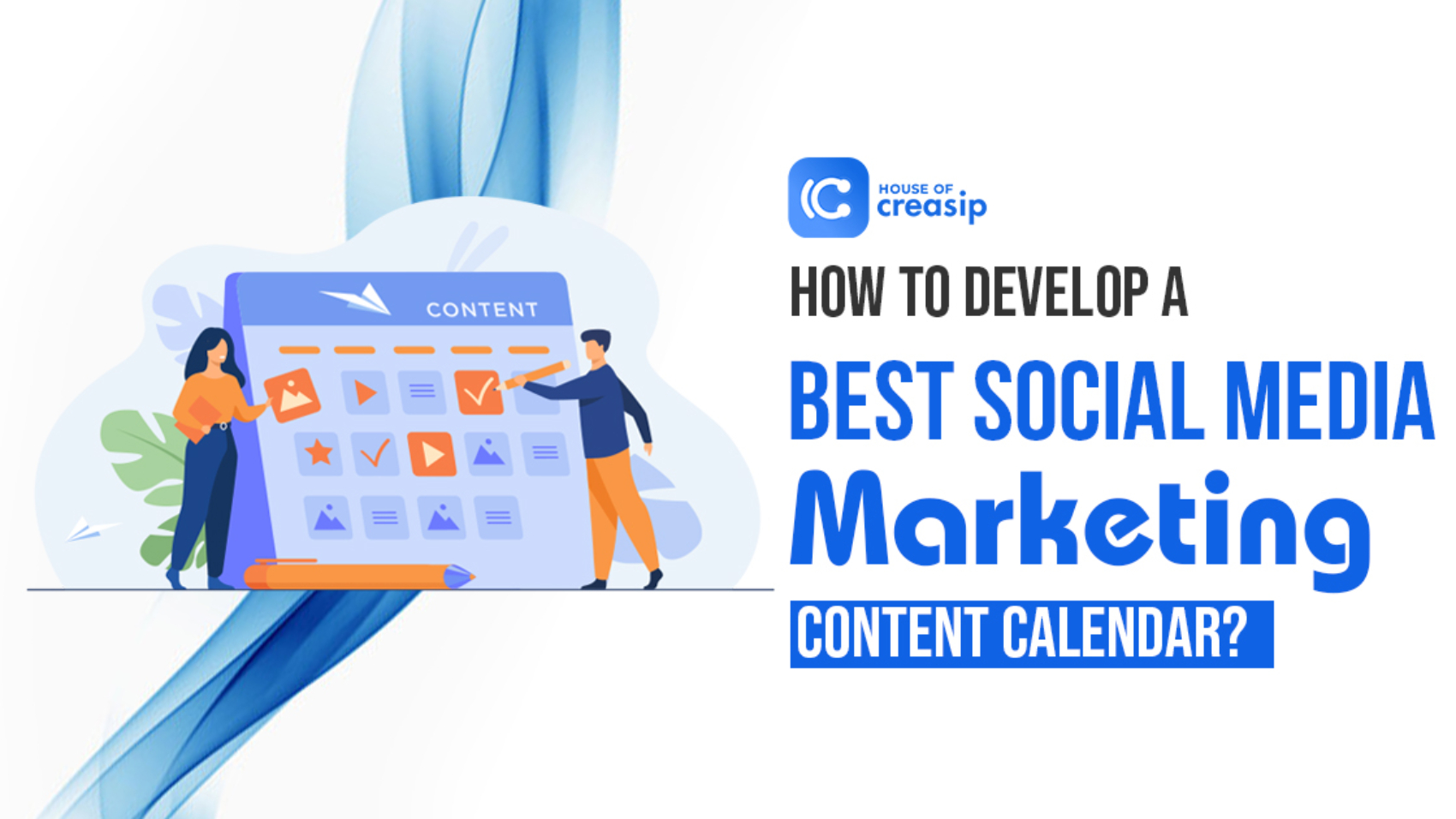
How to Develop a Social Media Marketing Content Calendar?

How to Develop a Social Media Marketing Content Calendar?

Social media marketing success doesn’t happen by accident. Behind those perfectly timed posts and engaging campaigns lies a strategic tool that’s a game-changer for any brand: a well-planned social media calendar. If you’re looking to elevate your game and stay ahead of the curve, buckle up! We’re diving into the ins and outs of creating a social media calendar that actually works.

Why Do You Need a Social Media Marketing Calendar?

Social media marketing success doesn’t happen by accident. Behind those perfectly timed posts and engaging campaigns lies a strategic tool that’s a game-changer for any brand: a well-planned social media calendar. If you’re looking to elevate your game and stay ahead of the curve, buckle up! We’re diving into the ins and outs of creating a social media calendar that actually works.

Let’s be real. Social media is chaotic. Trends come and go, algorithms shift, and managing multiple platforms can feel overwhelming. That’s where a social media calendar saves the day. It’s more than just a schedule—it’s your roadmap to consistency, organization, and growth.

Benefits of Using a Social Media Marketing Calendar

  • Stay Organized Like a Pro : A social media calendar brings structure to your chaos. By mapping out your posts in advance, you’ll always know what’s coming next. Forget scrambling for last-minute ideas—your plan will be ready and waiting.

  • Consistency Builds Trust : Posting regularly is key to building a loyal audience. A social media calendar helps you maintain a steady stream of content without sacrificing quality. This consistency boosts your brand’s credibility and keeps followers coming back for more.

  • Save Time and Reduce Stress : Imagine having your posts planned weeks—or even months—in advance. That’s the magic of a social media calendar. It frees you up to focus on creativity and strategy instead of daily posting panic.

  • Streamline Team Collaboration : If you’re working with a team, a social media calendar ensures everyone is on the same page. From designers to copywriters, everyone knows what’s happening and when. Plus, it makes approvals a breeze.

  • Analyze and Optimize : With a social media marketing calendar, you can track performance over time. Identify what’s working, tweak what’s not, and refine your strategy for even better results.

Steps to Create Your Social Media Marketing Calendar

Ready to get started? Follow these simple steps to craft a social media calendar that’ll take your strategy to the next level.

Step 1: Audit Your Current Social Media Marketing Strategy

Before diving into planning, take a step back. Look at your current social media presence. What’s working? What’s not? Analyze metrics like engagement rates, audience demographics, and top-performing content. This audit will give you a solid foundation for your social media calendar.

Step 2: Define Your Goals

What do you want to achieve with your social media calendar? Whether it’s increasing brand awareness, driving traffic, or boosting sales, having clear goals will guide your content planning.

Step 3: Choose Your Platforms

Not all social media marketing platforms are created equal. Whether it’s Instagram, LinkedIn, or Twitter, tailor your social media calendar to each platform’s strengths and quirks.

Step 4: Plan Your Content Mix

Variety is the spice of life—and social media. Mix things up with educational posts, entertaining content, promotional material, and user-generated content. A diverse social media calendar keeps your audience engaged and excited.

Step 5: Use a Template or Tool

Don’t reinvent the wheel. Use a social media calendar template or a scheduling tool like Trello, Hootsuite, or Sprout Social. These tools make it easy to visualize your plan and keep everything organized.

Tips for Optimizing Your Social Media Calendar

Here are some pro tips for making your social media calendar even more effective:

1. Align with Key Dates and Campaigns

Make sure your social media calendar includes important dates like holidays, product launches, or industry events. 

2. Schedule Posts at Optimal Times

Timing is everything. Use analytics to determine when your audience is most active on each platform and schedule your posts accordingly. Many tools offer features to help you pinpoint the best times to post.

3. Repurpose High-Performing Content

Got a post that crushed it? Don’t let it go to waste. Repurpose it across other platforms or formats. Your social media calendar is a great way to keep track of these gems and give them new life.

4. Leave Room for Flexibility

Trends and news move fast. While planning is essential, leave some wiggle room in your social media calendar for spontaneous posts or last-minute changes.

Common Mistakes to Avoid

Even the best social media calendars can hit a few bumps. Here are some common mistakes to watch out for:

    • Overloading Your Calendar: Quality over quantity, always. Avoid cramming too much into your social media calendar, as it can overwhelm your audience—and you.

    • Ignoring Analytics: Your social media calendar should evolve based on data. Regularly review metrics to ensure your content aligns with audience preferences.

    • Being Too Rigid: Flexibility is key. Don’t stick to your social media calendar so strictly that you miss out on real-time opportunities.

Tools to Help You Build Your Social Media Calendar

Looking for the right tools to create and manage your social media calendar? Here are some favorites:

    • Trello: Great for visualizing your content plan and collaborating with your team.

    • Hootsuite: A powerhouse for scheduling and analytics.

    • Google Sheets: Simple, free, and effective for creating a basic social media calendar.

    • Sprout Social: Packed with features to streamline your social media calendar and strategy.

Conclusion 

A social media calendar isn’t just a nice-to-have—it’s a must-have for any brand serious about growth. By organizing your content, staying consistent, and leveraging the right tools, you’ll not only save time but also see better results. Start building your social media calendar today and watch your strategy soar.

Social Media Marketing

Social Media Marketing: Importance and Impact on Business Growth

Social Media Marketing: Importance and Impact on Business Growth

In the digital era, social media has evolved from a simple means of communication into a powerful marketing tool. Social media marketing (SMM) involves the use of social media platforms to promote products, services, and brands. Its importance cannot be overstated, as it plays a crucial role in reaching and engaging audiences, driving traffic, and ultimately boosting sales. In this blog, we will delve into the key components of social media marketing, its significance for businesses, and how it can be effectively utilized to achieve growth.

Key Components of Social Media Marketing

it plays a crucial role in reaching and engaging audiences, driving traffic, and ultimately boosting sales. In this blog, we will delve into the key components of social media marketing, its significance for businesses, and how it can be effectively utilized to achieve growth.

Platforms Overview

Various social media platforms cater to different audiences and preferences. Understanding these platforms is essential for any effective social media marketing strategy:

  • Facebook: With billions of active users, Facebook remains a dominant platform for brand promotion. It allows businesses to create pages, share updates, and interact with customers through comments and messages.
  • Instagram: This visually-driven platform is ideal for brands that focus on aesthetics, such as jewelry, fashion, and food. Instagram’s features, like stories and reels, enable businesses to showcase their products creatively.
  • Twitter: Known for its real-time updates, Twitter is a great platform for sharing news and engaging in conversations. Brands can connect with their audience through tweets and replies, making it effective for building relationships.
  • LinkedIn: This professional networking site is essential for B2B marketing. Brands can share industry-related content, engage with other businesses, and establish their authority in the field.
  • Pinterest: A visual discovery platform, Pinterest is perfect for businesses in industries like fashion, home decor, and lifestyle. Users search for inspiration, making it a valuable tool for driving traffic to your website.

Types of Content

Creating engaging content is at the heart of social media marketing. Different types of content can be leveraged, including:

  • Text Posts: Short, compelling text updates can grab attention and encourage interaction.
  • Images: High-quality images showcasing products can attract potential customers and enhance brand aesthetics.
  • Videos: Video content, including tutorials and product demonstrations, can increase engagement and showcase products more dynamically.
  • Stories: Platforms like Instagram and Facebook allow users to post temporary content that creates urgency and keeps followers engaged.
  • Live Streams: Live video sessions can create real-time interaction with audiences, allowing businesses to answer questions and promote products instantly.

Engagement Strategies

Engaging with customers is vital in social media marketing. Effective strategies include:

  • Responding to Comments: Engaging with followers by responding to their comments and messages fosters a sense of community and loyalty.
  • Hosting Giveaways: Running contests and giveaways can increase engagement and attract new followers, making your brand more visible.
  • Collaborating with Influencers: Partnering with influencers allows brands to reach wider audiences and gain credibility through trusted voices.

Importance of Social Media Marketing

A. Brand Awareness

Social media marketing significantly increases brand visibility and awareness. By regularly sharing content and engaging with audiences, brands can reach new customers who may not have discovered them through traditional marketing channels. With the right strategy, a brand can become a household name in its industry.

B. Customer Engagement

Building relationships with customers is crucial for long-term success. Social media provides a platform for two-way communication, allowing brands to interact with their audience, respond to inquiries, and address concerns promptly. This engagement not only fosters trust but also encourages brand loyalty, as customers feel valued and heard.

C. Targeted Advertising

One of the most significant advantages of social media marketing is the ability to target specific demographics. Platforms like Facebook and Instagram offer advanced targeting options, enabling brands to tailor their ads based on age, gender, location, interests, and behaviors. This precision ensures that marketing efforts reach the right audience, leading to higher conversion rates.

D. Driving Website Traffic

Social media serves as a valuable tool for driving traffic to a brand’s website. By sharing engaging content that links back to their website, businesses can attract users who are interested in learning more about their products or services. This increased traffic can lead to higher sales and improved SEO rankings.

Measuring the Success of Social Media Marketing

A. Key Performance Indicators (KPIs)

To determine the effectiveness of social media marketing efforts, brands should track key performance indicators (KPIs). These metrics can include:

  • Engagement Rates: Measuring likes, shares, and comments can help gauge audience interaction and content relevance.
  • Reach: The total number of unique users who have seen the content indicates how well the brand is spreading its message.
  • Conversion Rates: Tracking the percentage of users who take the desired action (like making a purchase) helps evaluate the success of marketing campaigns.

B. Tools for Measurement

Several analytics tools can assist in tracking these KPIs and providing insights into audience behavior. Some popular options include:

  • Google Analytics: Offers comprehensive insights into website traffic, user behavior, and conversion rates.
  • Hootsuite: Provides social media management and analytics, allowing businesses to monitor performance across multiple platforms.
  • Sprout Social: Offers in-depth analytics and reporting features to measure engagement and track brand growth.

Conclusion

In today’s digital landscape, social media marketing has become an essential component of any successful business strategy like Senava. By understanding its key components, recognizing its importance, and effectively measuring its success, brands can leverage social media to connect with their audiences, build relationships, and drive growth. Investing in social media marketing is not just an option; it’s a necessity for businesses looking to thrive in a competitive market. Whether you’re a small jewelry brand or a large corporation, embracing social media marketing can lead to incredible opportunities for engagement and expansion.